Comedy & Viral · SOURCE-CHECKED
Why Microdramas Are Becoming India’s New Entertainment Habit
Vertical, bite-sized “microdramas” are exploding in India. Here’s what’s driving the boom, who’s investing, how they make money—and what could slow it down.
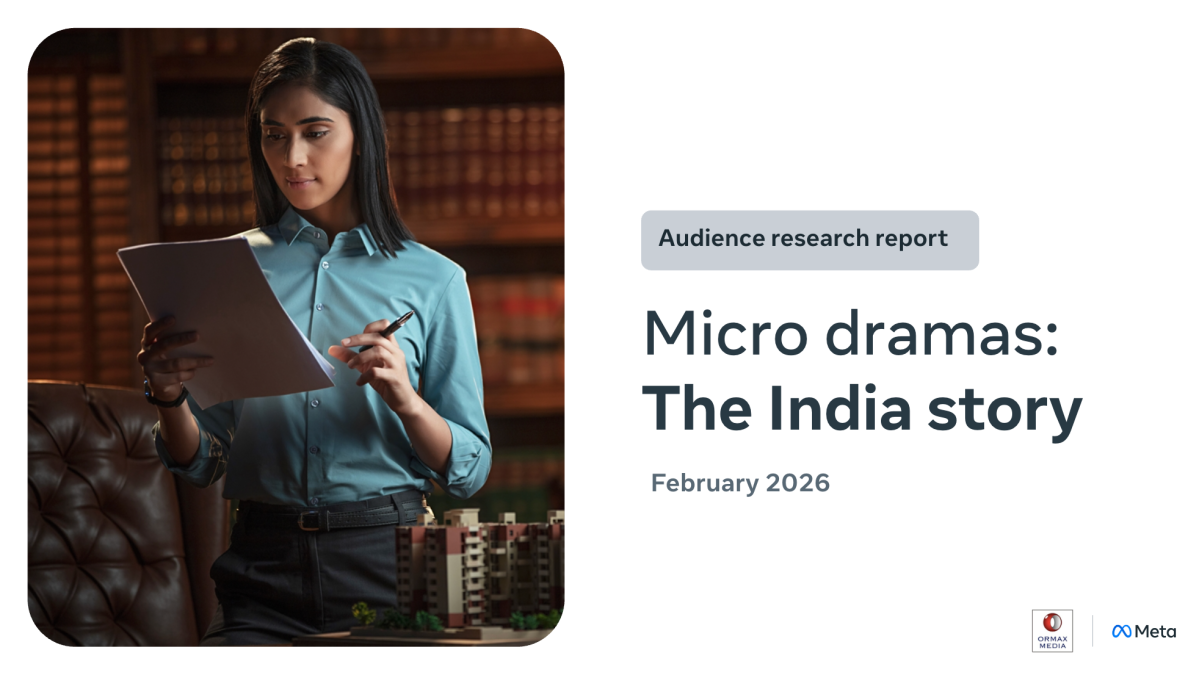
The next big binge in India doesn’t need a sofa, a TV, or even 30 minutes of free time. Microdramas—vertical, serialised stories told in 60–180 second episodes—have quietly transformed into a daily ritual for millions, slotted between metro stops, tea breaks and midnight doomscrolls. A joint audience study by Meta and Ormax Media finds that a vast majority of Indians stumble upon these shows inside their social feeds, and then keep coming back through the week, typically in short bursts. ([about.fb.com](about.fb.com/news/2026/03/social-feeds-are-powering-indias-micro-drama-boom-meta-ormax-report/amp))
What looked like a novelty in 2024 has turned into a competitive market by 2026. Legacy media houses, short‑video platforms and telcos are all piling in: Zee backs Bullet; ShareChat’s Quick TV is scaling via its Moj ecosystem; and even Vodafone Idea has bundled microdramas inside its Vi Movies & TV app. The result is a new entertainment habit that behaves less like OTT and more like social video—with cliffhangers engineered for the scroll. ([bestmediainfo.com](bestmediainfo.com/ad-craft/bullet-launches-in-india-with-34-one-minute-stories-across-seven-languages-9527710?utm_source=openai))
What exactly is a microdrama?
Think of a TV serial compressed for the phone: dozens of short, vertical episodes with soap‑opera stakes, designed to hook in the first five seconds and end on a twist. The format matured in China on platforms like Douyin and Kuaishou before spreading globally via apps such as ReelShort; India’s versions now feature catalogues in Hindi and multiple regional languages. Early Indian coverage in 2025 noted at least eight dedicated platforms (from Kuku TV and Flick TV to Bullet, Pocket TV and ReelSaga), while mainstream reels‑first series have also run on Instagram. ([yicaiglobal.com](yicaiglobal.com/news/chinese-mini-drama-series-market-to-reach-usd69-billion-this-year?utm_source=openai))
If you want a sense of global scale: Time magazine charted how Crazy Maple Studio’s ReelShort rode the Chinese “mini‑drama” playbook to tens of millions of downloads, with individual titles clocking hundreds of millions of views. Chinese business media estimated the domestic short‑drama market at billions of dollars by 2024, fuelled by in‑app payments and ads. ([time.com](time.com/6979994/crazy-maple-studio/?utm_source=openai))
The India rollout: new apps, old powerhouses
Zee launched Bullet in 2025 with 34 one‑minute stories across seven languages, later integrating it within ZEE5 and creating a dedicated subsidiary (ZBEL) to house the venture. Its help centre openly describes a coins‑and‑subscription model for unlocking episodes—evidence that microtransactions sit at the heart of this business. ([bestmediainfo.com](bestmediainfo.com/ad-craft/bullet-launches-in-india-with-34-one-minute-stories-across-seven-languages-9527710?utm_source=openai))
Social platforms are treating microdrama as more than a content trend. ShareChat’s Quick TV—positioned as a subscription microdrama service inside the ShareChat/Moj universe—reported, in a recent Moloco ad‑tech case study, over 60 million monthly active users and 400 million daily episodic views during a 45‑day push across late 2025–early 2026. ([moloco.com](moloco.com/case-studies/sharechat?utm_source=openai))
Startups have momentum, too. Eloelo Group’s Story TV has been staffing up and striking alliances, including a production partnership with Balaji Telefilms announced via stock‑exchange and company communications—another sign that mainstream studios now see a pipeline in vertical fiction. Media trade coverage also points to collaborations between Story TV and Zee to re‑imagine TV classics for phone screens. ([bsmedia.business-standard.com](bsmedia.business-standard.com/_media/bs/data/announcements/bse/06102025/47a3ba9d-50ae-4bcb-a08e-b433c6f71717.pdf?utm_source=openai))
Telcos are joining as distributors: Vodafone Idea said in May 2026 that Bullet microdramas would be available inside Vi Movies & TV—bundling short serials alongside free content to shore up engagement. ([telecomtalk.info](telecomtalk.info/vodafone-idea-movies-tv-bullet-microdrama-app/1007379/?utm_source=openai))
Why India is hooked now
- Feed‑first discovery: The Meta‑Ormax study shows 89% of viewers discover microdramas inside social feeds, not by search—key to rapid habit formation. It also pegs median weekly viewing at 3.5 hours, typically spread across short, repeat sessions through the day, peaking at night and during commutes. ([about.fb.com](about.fb.com/news/2026/03/social-feeds-are-powering-indias-micro-drama-boom-meta-ormax-report/amp))
- Infrastructure tailwinds: India’s mobile‑first internet and cheap data costs have long favoured video; digital media crossed the ₹1‑trillion mark in 2025 to become the country’s largest M&E segment, according to the FICCI‑EY 2026 report. Microdramas are a logical next layer atop this base. ([business-standard.com](business-standard.com/amp/industry/news/india-s-digital-media-crosses-1-trillion-becomes-largest-m-e-segment-126032401246_1.html?utm_source=openai))
- Vernacular scale: Platforms launched with multi‑language slates from day one; Bullet’s initial catalogue spanned seven languages, and OTT/short‑video ecosystems like Moj and Quick TV are leaning on regional demand curves. ([bestmediainfo.com](bestmediainfo.com/ad-craft/bullet-launches-in-india-with-34-one-minute-stories-across-seven-languages-9527710?utm_source=openai))
How the model makes money
Microdramas blend three familiar digital levers:
- Micro‑IAP and subs: Many apps run a freemium ladder—teasing the first few episodes free, then nudging viewers to buy coins, unlocks or subscriptions to continue. Bullet’s support pages specify coins, a wallet, and subscriptions. ([support.bulletshorts.com](support.bulletshorts.com/portal/en/kb/articles/bulletshorts-help-center-full-q-a-articles))
- Ads in the scroll: Indian trade press reports that platforms are experimenting with light‑touch ad insertions every few videos, mirroring the economics of Reels/Shorts without breaking immersion. ([exchange4media.com](exchange4media.com/digital-news/ott-short-video-platforms-power-indias-microdrama-growth-151826.html?utm_source=openai))
- Partnerships and bundling: Studio tie‑ups (Balaji–Story TV) and telco distribution (Vi–Bullet) extend reach while seeding premium slates and promotional inventory. ([bsmedia.business-standard.com](bsmedia.business-standard.com/_media/bs/data/announcements/bse/06102025/47a3ba9d-50ae-4bcb-a08e-b433c6f71717.pdf?utm_source=openai))
Investors are noticing the unit economics. Moneycontrol, citing an Eloelo pitch deck, reported the group targeting a $230‑million ARR across its consumer apps with 27 million monthly users, and flagged external estimates that size India’s microdrama market at $300 million in 2025, potentially $1.5 billion by end‑2026. Treat these as company claims and projections—but they capture the optimism around the space. ([moneycontrol.com](moneycontrol.com/news/business/startup/eloelo-s-pitch-deck-reveals-micro-drama-boom-230-million-arr-27-million-monthly-users-log-2-billion-minutes-amid-funding-talks-13875273.html?utm_source=openai))
Behaviour change: from appointment viewing to ambient binges
Unlike TV or long‑form OTT, microdramas are predominantly solo, mobile and ambient—often watched while doing something else, according to the Meta‑Ormax data. That shapes storytelling (hyper‑clear arcs, fast hooks, recurring archetypes) and creator workflows (rapid iteration based on comment‑led feedback). It also explains why the genre’s leaders court “in‑between moments” rather than 30‑minute windows. ([about.fb.com](about.fb.com/news/2026/03/social-feeds-are-powering-indias-micro-drama-boom-meta-ormax-report/amp))
Limits, critiques and the regulation question
If you scroll long enough, the tropes can blur: critics in Indian mainstream media have called out formulaic arcs and exaggerated performances. That said, the same critique dogged early daily soaps and web‑series before they levelled up. ([indianexpress.com](indianexpress.com/article/fresh-take/are-micro-dramas-the-future-of-fiction-10329687/?utm_source=openai))
A more material risk is regulatory. China’s micro‑drama boom triggered a clampdown on sensational content and a push for stronger copyright infrastructure by 2024, signalling what can happen when scale outpaces standards. India doesn’t have microdrama‑specific rules yet, but OTT and digital publishers here already operate under the IT Rules, 2021—featuring a three‑tier grievance system and takedown provisions—so vertically shot fiction isn’t outside scrutiny. Platforms that scale fast will need robust moderation, credits and rights management to avoid déjà vu. ([time.com](time.com/6971346/china-micro-dramas-industry-popularity-censorship/?utm_source=openai))
What happens next
- Mainstreaming continues: Expect more studio slates and A‑list faces to test vertical formats as deal‑flow with microdrama platforms expands. Early moves from Balaji, Zee and others suggest the pipeline is real. ([bsmedia.business-standard.com](bsmedia.business-standard.com/_media/bs/data/announcements/bse/06102025/47a3ba9d-50ae-4bcb-a08e-b433c6f71717.pdf?utm_source=openai))
- Regional and genre diversification: Romance and family drama led the first wave; crime, horror, comedy and docu‑reality (even dating reality in “micro” form) are coming up fast. ([mediainfoline.com](mediainfoline.com/alliances/eloelo-groups-story-tv-and-zee-reimagine-tv-classics-for-mobile-screens?utm_source=openai))
- Global playbooks, local flavours: Sensor Tower’s 2026 brief spotlights India as one of the three biggest growth engines for short‑drama downloads worldwide. As global apps eye India, expect more aggressive UA, better creator tools, and a sharper focus on retention. ([sensortower.com](sensortower.com/blog/state-of-short-drama-apps-2026-report?utm_source=openai))
The bottom line
Microdramas turn idle minutes into serial engagement—and India’s media machine has noticed. With feed‑led discovery, vernacular pipelines, and money flowing from coins, ads and partnerships, the format is graduating from curiosity to category. The challenge now is to keep upping story quality and guardrails as scale arrives—so that tomorrow’s “one more episode” on your phone feels as rewarding as last night’s.